


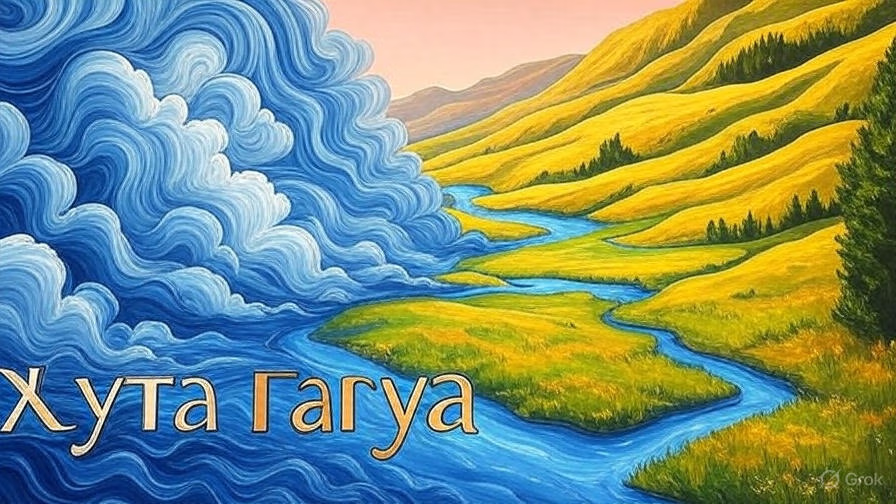
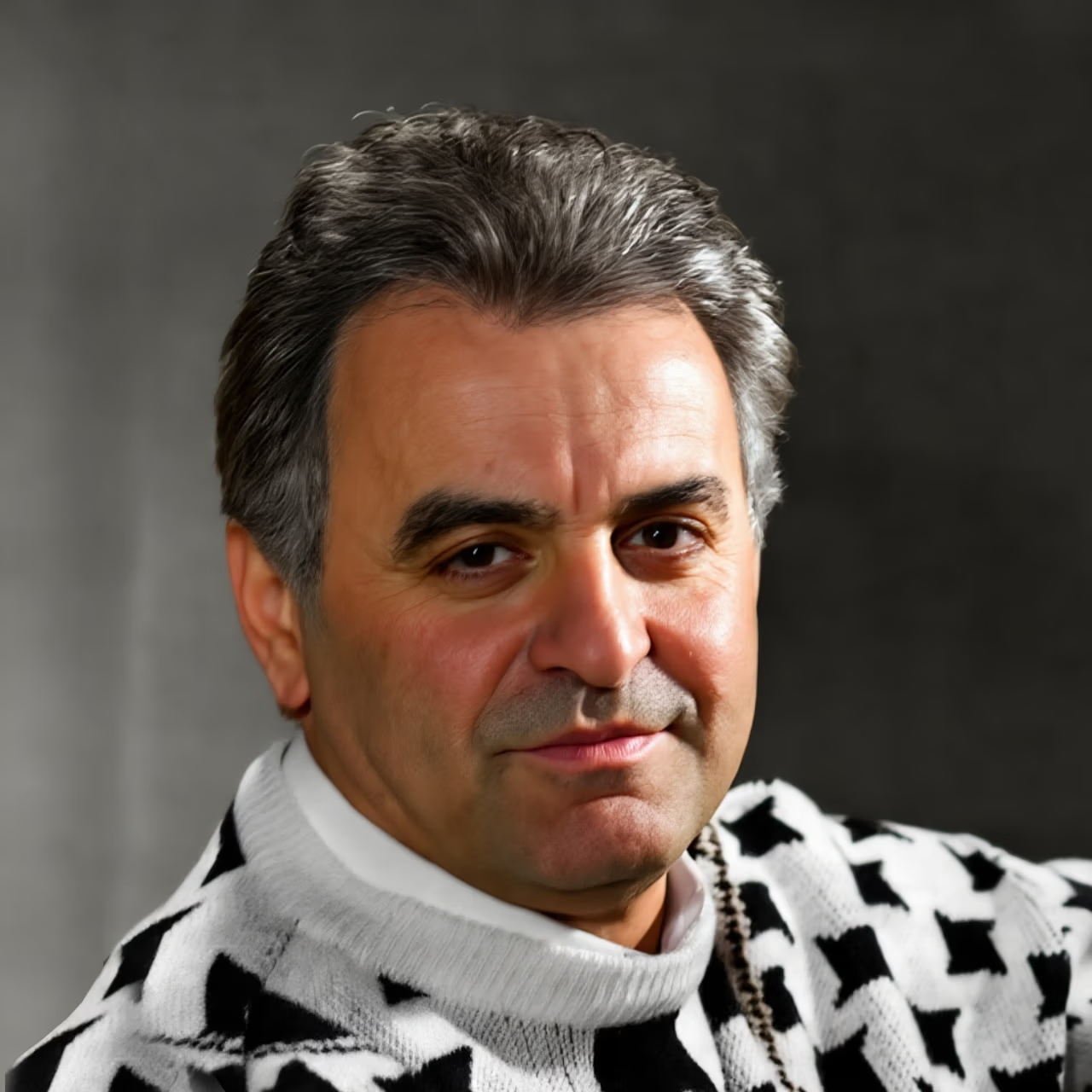
Huta Gagua, a luminary of Georgian poetry, is a name that resonates deeply with those who cherish the soul of literature. As Ushangi Rizhinashvili, a writer and close friend, I have had the privilege of knowing Huta personally, witnessing firsthand the brilliance and warmth that define his life and work.
Born on August 10, 1935, in the picturesque village of Babushara, Abkhazia, Huta’s early connection to nature shaped his poetic voice. I remember our walks through the rolling hills, where he would pause to recite lines from his collections like Silence (Безмолвие) or Nest of Stars (Гнезда звезд), each word a reflection of the landscapes we traversed. His poetry, a blend of realism and romanticism, captures the essence of Georgia—its mountains, rivers, and the heartbeat of its people.
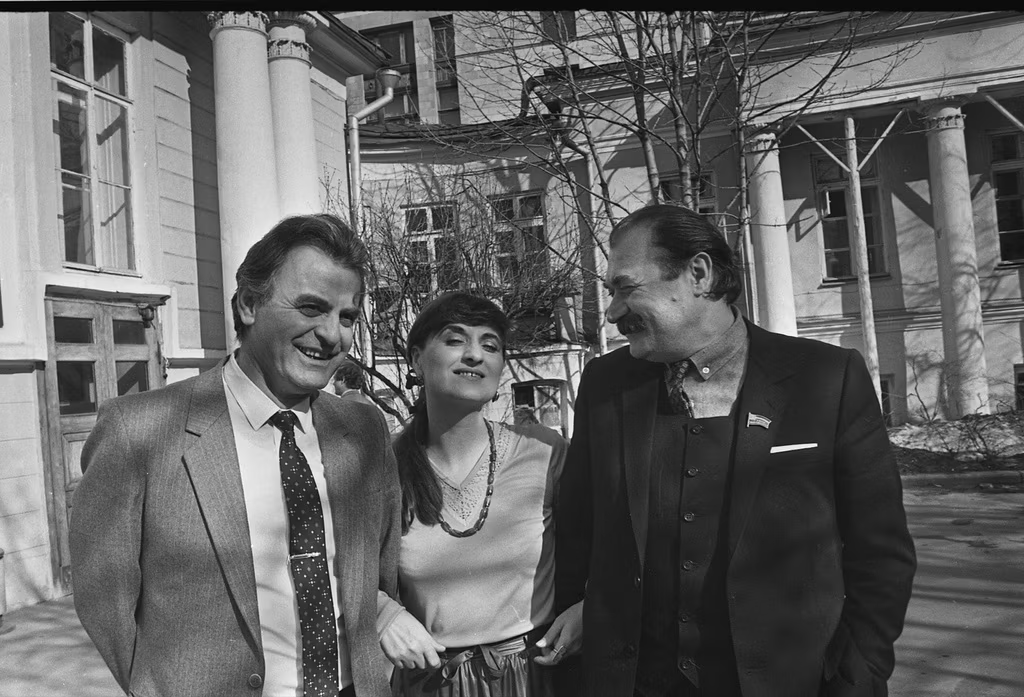
Huta’s literary journey began in 1955 with his first published poems, and his education at the Maxim Gorky Literature Institute in Moscow in 1963 honed his craft. From 1974 to 1976, he held significant roles, including Secretary of the Board of the Writers’ Union of Abkhazia, a testament to his influence. Yet, it was in quieter moments—over tea in his Moscow home or during our visits to Tskhinvali in 1985 with Evgeny Yevtushenko—that I saw his true spirit. His lines, like “Light of the shepherd, pierced by light,” as praised by Yuri Kuznetsov, reveal a man who sees poetry in the mundane.
His personal life, too, is woven into his art. Married to Zoia in 1958, with a daughter, Dr. Gina Gagua, a doctor, and a brother Irakli Gagua, a prose writer, Huta’s family reflects the literary legacy he carries forward. Our conversations often turned to his father, Lavrenti, a classmate of Lavrenty Beria, adding a layer of historical depth to his stories.
Huta’s works, including Moment, Transparent Wings, and Thirst, have inspired songs and translations into Russian and beyond. Awards like the 1983 Writers’ Union of Georgia Prize and the 1988 Council of Ministers Prize affirm his stature. To me, though, he is more than an award-winning poet—he is a friend whose laughter and wisdom have shaped my own writing.
As I reflect on our shared journey, Huta Gagua remains a beacon of Georgian culture, his poetry a bridge between past and present. His legacy, enriched by personal bonds like ours, continues to inspire.
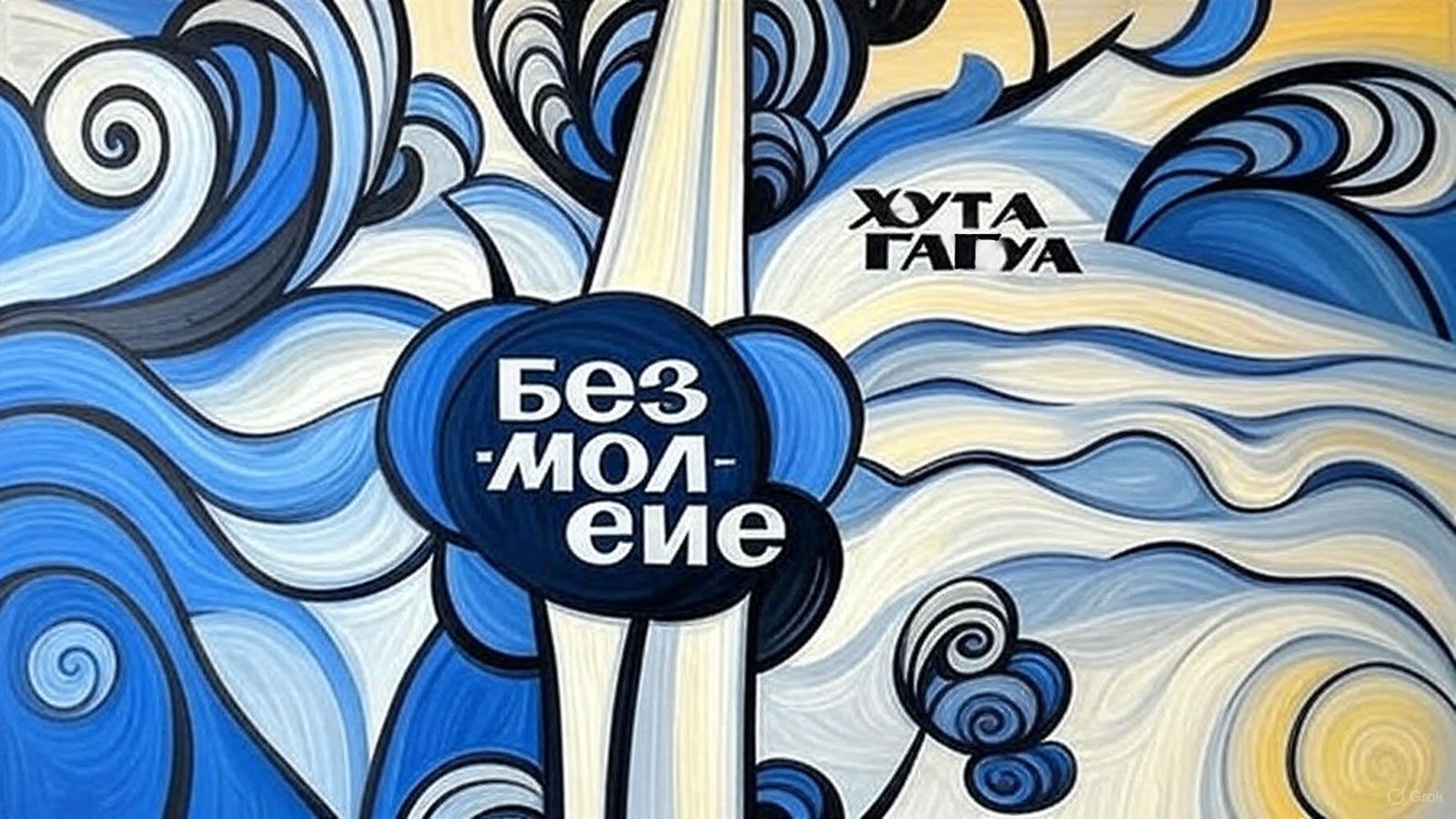
The philosophical depth in Безмолвие is incredible. It made me think about life in a new way. Would love to hear more about Gagua’s inspiration behind this collection!
Thank you, Ivan! We’re glad Silence sparked such reflection. Gagua drew inspiration from his Abkhazian roots and nature’s quiet moments—check out our biography page for more insights into his creative process!